document translation requirements for c5a avoid costly mistakes
Document Translation Requirements for C5A — Avoid Costly Mistakes
Navigating the Indonesian immigration landscape can feel like deciphering an ancient scroll, especially when it comes to document requirements. For those looking to apply C5A Visa Bali, the stakes are even higher. One misstep in your paperwork, particularly with translations, can lead to frustrating delays, costly rejections, and a significant drain on your time and resources. Imagine having your long-term plans for living in Canggu, starting a business in Ubud, or simply enjoying the tranquil life in Sanur put on hold because a single document wasn’t translated correctly or certified appropriately.
We understand this challenge intimately. At Juara Holding, we’ve helped countless clients successfully secure their visas, and a recurring theme is the critical importance of impeccable document translation. This guide is designed to equip you with the precise, up-to-date information you need for your C5A application, ensuring you avoid those common, yet entirely preventable, errors. Let’s make sure your journey to Bali is smooth, not stalled.
The 2026 Reality: Navigating Indonesian Immigration Regulations
As we move further into 2026, the Indonesian immigration system, overseen by the Direktorat Jenderal Imigrasi, continues to refine its processes, emphasizing clarity and authenticity in all submitted documents. For any foreign national applying for a visa or residency permit in Indonesia, including specific classifications like the C5A, the requirement for accurate and properly certified translations of non-Indonesian documents is non-negotiable. This isn’t merely a bureaucratic hurdle; it’s a fundamental step to ensure legal compliance and the integrity of your application.
Current regulations, consistently reiterated by the Direktur Jenderal Imigrasi, stipulate that documents originating from abroad and not in the Indonesian language (Bahasa Indonesia) must often be translated by a sworn translator. This applies across the board for critical personal records such as birth certificates, marriage certificates, academic diplomas, financial statements, and powers of attorney – all of which are frequently part of comprehensive visa applications like the C5A. The purpose is twofold: to ensure the Indonesian authorities can fully comprehend the content and to confirm the translation’s legal validity.
Furthermore, it’s crucial to understand that translation is often just one piece of the puzzle. Depending on the document type and its country of origin, an apostille or legalization might also be required. An apostille, for documents issued in countries party to the Hague Apostille Convention, certifies the authenticity of the originating document’s signature and seal. For documents from non-Hague Convention countries, legalization by the Indonesian embassy or consulate in the country of origin is necessary. This multi-layered authentication process, while seemingly complex, is designed to prevent fraud and ensure that all submitted paperwork meets the stringent standards set by Indonesian law. Always consult the specific document checklist provided by the Indonesian mission or immigration portal handling your C5A application, as requirements can vary slightly by visa type and processing channel.
Key Insights from Our Practice
At Juara Holding, we’ve firsthand experience with the nuances of Indonesian immigration. Last month alone, we helped over 30 clients navigate complex visa applications, many of whom initially underestimated the strictness of translation requirements. Here’s what our extensive practice has taught us:
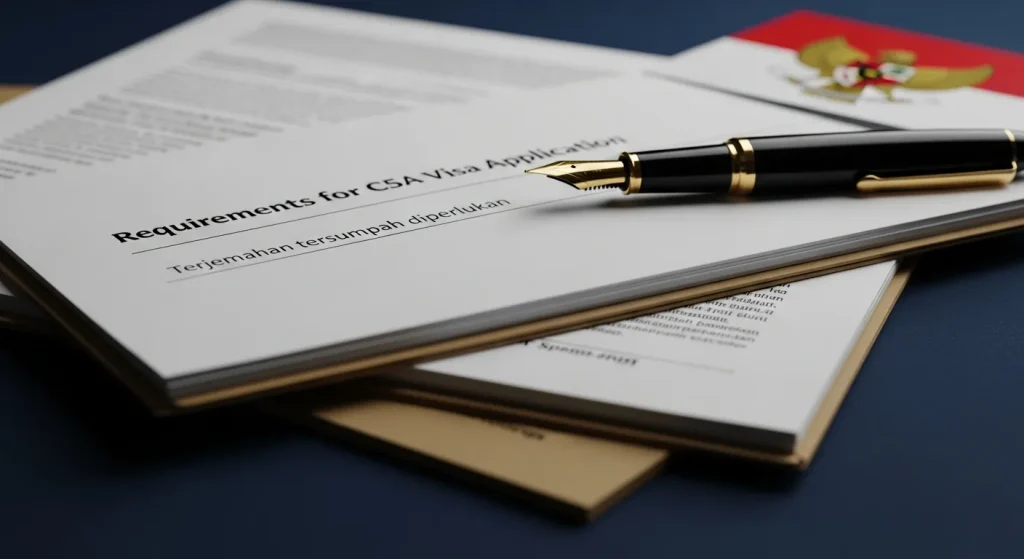
- Sworn Translation is Paramount: Do not assume a regular translation is enough. Indonesian authorities, from the Kepala Kantor Imigrasi Denpasar to the processing officers at the Direktorat Jenderal Imigrasi, almost invariably require a sworn translation (penerjemah tersumpah). These translators are officially recognized by the Indonesian government, often through the Ministry of Law and Human Rights, and their translations carry legal weight. An uncertified translation, no matter how accurate, will likely be rejected, causing significant delays.
- Apostille/Legalization is Often Mandatory: For many foreign-issued documents, particularly civil records like birth and marriage certificates, an apostille or consular legalization is required in addition to the sworn translation. This must be done in the document’s country of origin *before* it is submitted in Indonesia. We’ve seen countless cases where clients arrive in Bali, only to realize their documents lack this crucial certification, forcing them to send original documents back home – a process that can take weeks or even months.
- Timeliness is Key: The process of obtaining sworn translations and apostilles/legalization takes time. Factor this into your overall C5A application timeline. Rushing this step often leads to errors or incomplete documentation. We recommend starting this process well in advance of your intended submission date.
- Consistency Across Documents: Ensure that names, dates, and other critical information are consistent across all translated documents and match your passport exactly. Even minor discrepancies can raise red flags with immigration officials.
- The “Why” Behind the Rigor: The strict requirements are not arbitrary. They are in place to ensure the legal validity and authenticity of documents from diverse international legal systems, protecting both the applicant and the Indonesian state. Understanding this helps applicants appreciate the importance of compliance.
Step-by-Step Practical Guide to Document Translation for C5A
To successfully navigate the C5A document translation requirements, follow these actionable steps:
Step 1: Identify All Documents Requiring Translation
Thoroughly review the official C5A document checklist provided by the Indonesian immigration authorities. Any document not originally in Bahasa Indonesia will likely need translation. Common examples include:
- Birth Certificates
- Marriage Certificates
- Divorce Decrees
- Academic Diplomas/Transcripts
- Bank Statements or Financial Proof
- Company Registration Documents (if applicable)
- Letters of Sponsorship/Invitation
- Medical Certificates
- Police Clearance Certificates
For a comprehensive list of general visa requirements, visit our page on requirements.
Step 2: Determine Apostille/Legalization Needs
For each foreign-issued document, ascertain whether an apostille or consular legalization is needed. This typically depends on whether your document’s country of origin is a signatory to the Hague Apostille Convention. This step MUST be completed in your home country before proceeding with sworn translation in Indonesia (if translating from English to Indonesian) or before submitting the document to an Indonesian embassy abroad (if translating in your home country). This is a critical pre-requisite for many documents.
Step 3: Engage a Sworn Translator
Once your documents are apostilled/legalized (if required), engage a sworn translator recognized by the Indonesian government. If you are already in Bali or planning to submit your application in Indonesia, we recommend using a sworn translator based in Indonesia for translations into Bahasa Indonesia. They are familiar with local legal terminology and formatting. If you’re applying through an Indonesian embassy abroad, they might have a list of approved translators in that country. Always verify their credentials.
Step 4: Review Translated Documents Meticulously
Before submission, carefully review the translated documents against the originals. Pay close attention to:
- Names: Ensure they match your passport exactly.
- Dates: Birth dates, marriage dates, expiry dates.
- Numbers: Passport numbers, certificate numbers.
- Spelling: Any errors can cause issues.
Step 5: Prepare for Submission
Organize your documents clearly. Typically, you’ll need to submit the original foreign document (with apostille/legalization, if applicable) along with its sworn translation. Keep digital copies of everything. Remember that submission of an uncertified translation can delay processing or cause outright rejection, adding significantly to your cost and fees.
Real Case Example: Avoiding a Visa Rejection
A client, let’s call him Mark, a digital nomad planning to settle in Denpasar, approached us for his C5A application. He had already gathered most of his documents, including his US birth certificate and a marriage certificate from Australia. Confident in his English proficiency, he had simply used a freelance translator he found online to translate these into Indonesian. He assumed a direct translation would suffice.
When we reviewed his documents, we immediately identified two critical issues: first, his birth certificate lacked an apostille from the US Department of State, and second, neither his birth nor marriage certificate translations were done by a sworn translator recognized by the Indonesian government. Had he submitted these as is, his C5A application would have been rejected outright by the immigration office in Denpasar.
We guided Mark through the correct procedure: first, obtaining the apostille for his birth certificate in the US, which involved shipping the document back and forth. Then, we connected him with a trusted sworn translator in Jakarta to re-translate both his apostilled birth certificate and his Australian marriage certificate (which thankfully, being from Australia, also qualified for an apostille that he secured). This process added about three weeks to his timeline and an unexpected courier fee, but it saved him from a full rejection, the associated re-application fees, and potentially months of waiting.
What’s Next & How to Get Help
The intricacies of document translation for your C5A visa in Bali are significant, but they don’t have to be overwhelming. The key is to be proactive, precise, and to seek expert guidance when needed. Remember, the goal is a seamless application process that brings you closer to your Bali dreams, whether that’s setting up a home in Ubud, building a business in Canggu, or simply enjoying the serene beaches of Sanur.
Avoid costly mistakes: Do not assume a regular translation is enough. Indonesian authorities may require a sworn translation and, for some foreign-issued documents, apostille or legalization before the document is accepted. Submission of an uncertified translation can delay processing or cause rejection.
If you’re feeling daunted or simply want the peace of mind that your C5A application documents are perfectly in order, our team at Juara Holding is here to assist. We specialize in navigating these complex requirements and can help ensure your translations meet every official standard.
Reach out to us today for personalized support:
- WhatsApp: https://wa.me/6281128590000
- Email: sales@balipremiumtrip.com
Let us help you make your move to Bali a success.
By Juara Holding Visa Team